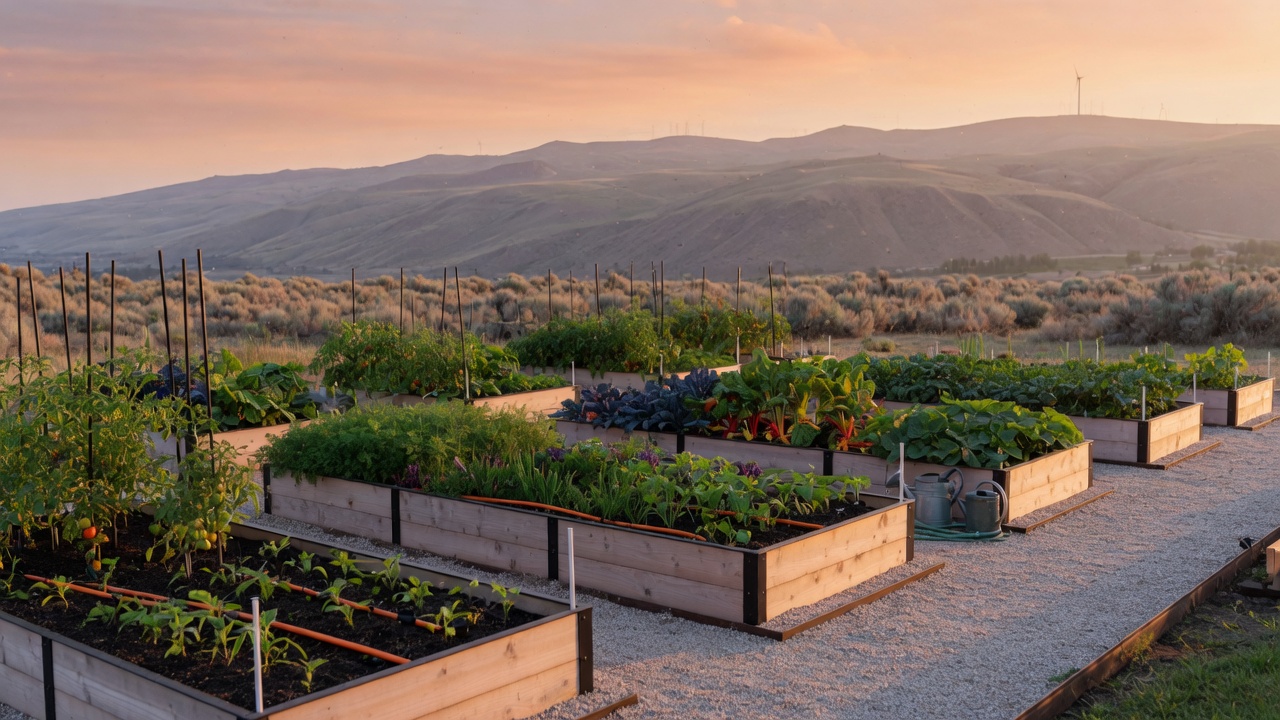
Kennewick, WA USDA Zone 7a Hot · Dry · Irrigated

You live in a desert with a river. Act like it.

Six crop guides written for people who think “it rained once in May” counts as a watering plan. Soil, sun, fertilizer, and schedules tailored to the Columbia Basin—not Seattle cosplay.

Read this first, genius: Kennewick gets roughly seven inches of rain a year. Your lawn is a lie held together by irrigation. Your vegetable garden will be too. If you plant tomatoes and walk away until Labor Day, you will harvest dust and regret.

Why this place is weird (and great)

The Tri-Cities sit in the rain shadow of the Cascades. Summers are hot and bone-dry. Winters can freeze. Nights cool off hard. The sun will cook bare soil into ceramic. That combo grows fantastic food if you irrigate on purpose and stop pretending this is western Washington.

Hardiness zone

USDA 7a

Winters cold enough to kill soft perennials; plan annuals around frost, not vibes.

Last spring frost

~Apr 15–20

Average. One cold snap in early May will still laugh at your “last frost” calendar sticker.

First fall frost

~Oct 10–20

~170–180 frost-free days if you don’t get cocky in April.

Rainfall

~7–8 in/yr

Irrigation is not optional. Drip lines are not a personality—they’re survival gear.

Typical soils

Sandy loam / loess

Drains fast, often alkaline (pH 7.5–8.5). Compost is your new religion.

Summer heat

90–100°F+

Intense sun + wind = water vanishes. Mulch or enjoy crispy plants.

The crops

Click a guide. Follow the boring parts (soil pH, watering depth, fertilizer timing). Skip the Instagram “vibes only” method. Plants do not care about your aesthetic.

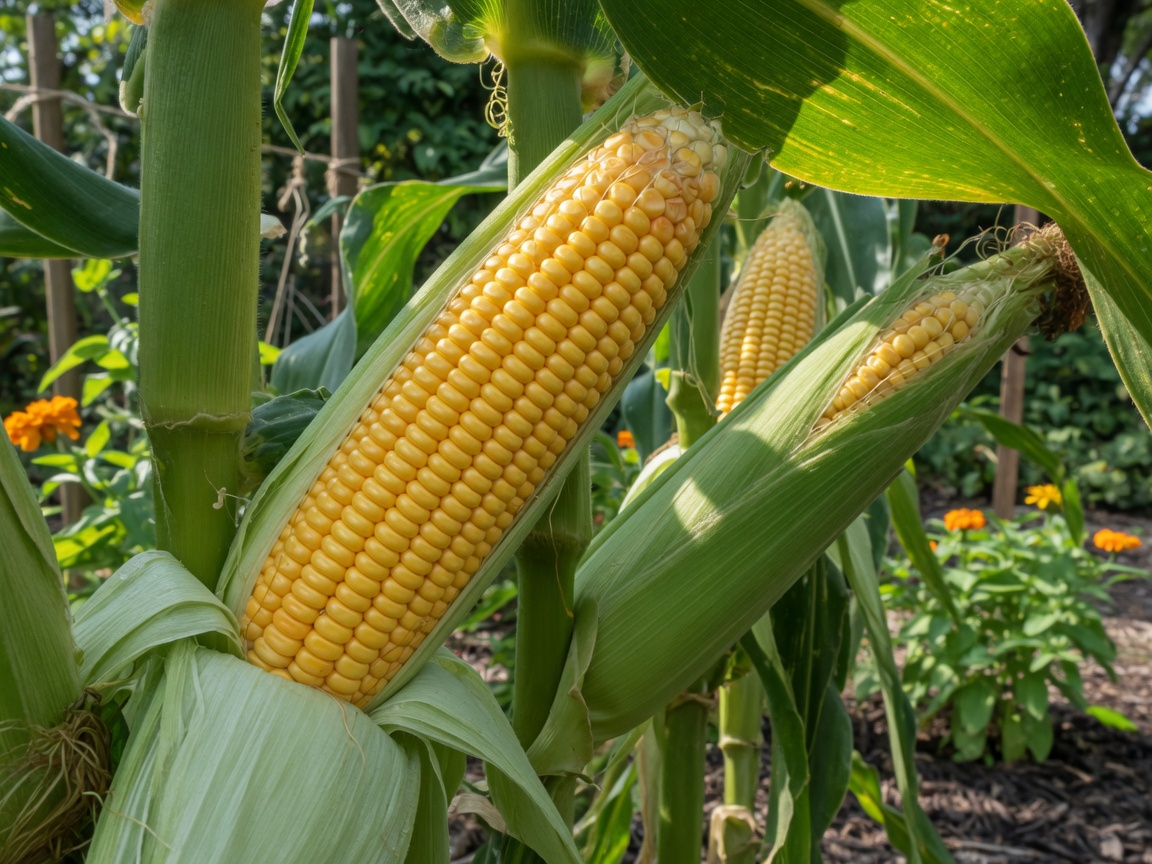
Sweet corn ears on the stalk in a home garden
Full sun Thirsty Heat lover

Sweet Corn

Blocks of plants, deep water, and timing so pollen doesn’t ghost the silk. Yes, you need more than three stalks.

Grow corn →
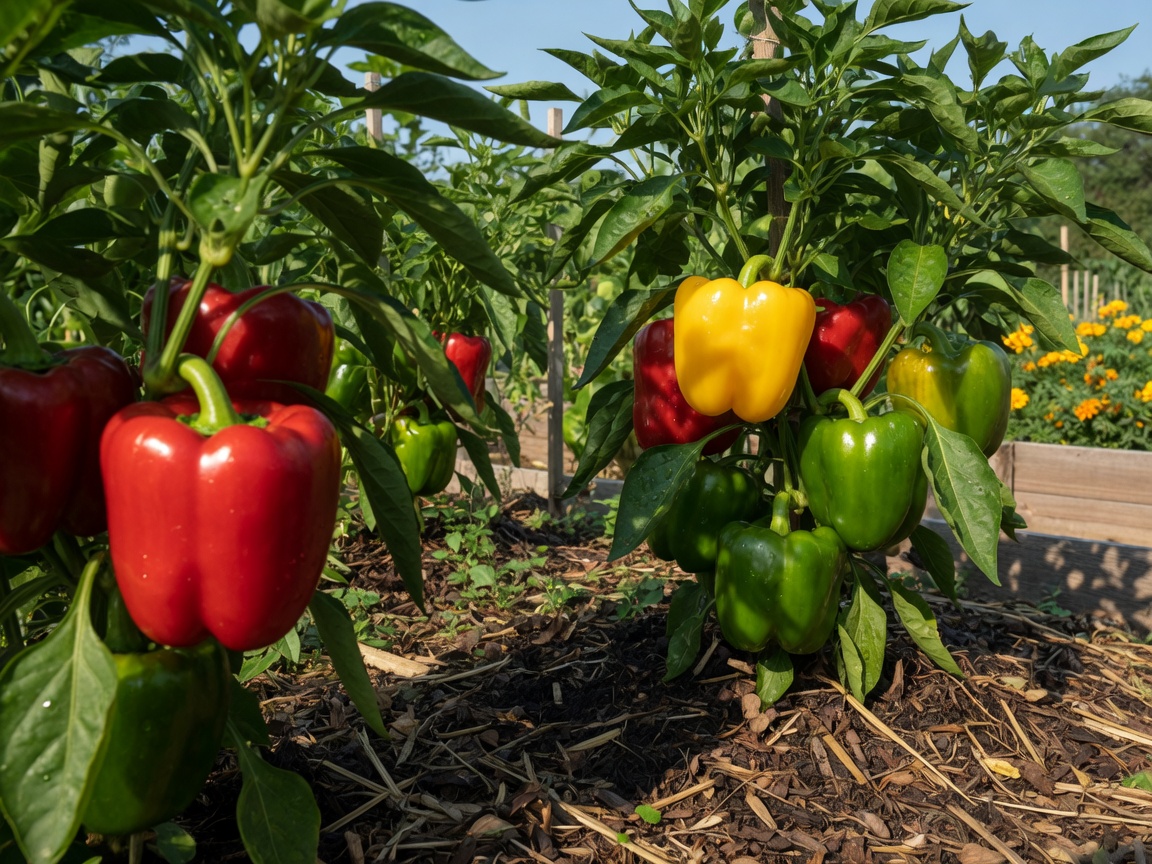
Colorful bell peppers on plants
Full sun Steady moisture Warm soil

Bell Peppers

They sulk in cold soil, then explode in July heat—if you feed them and don’t drown the roots.

Grow peppers →
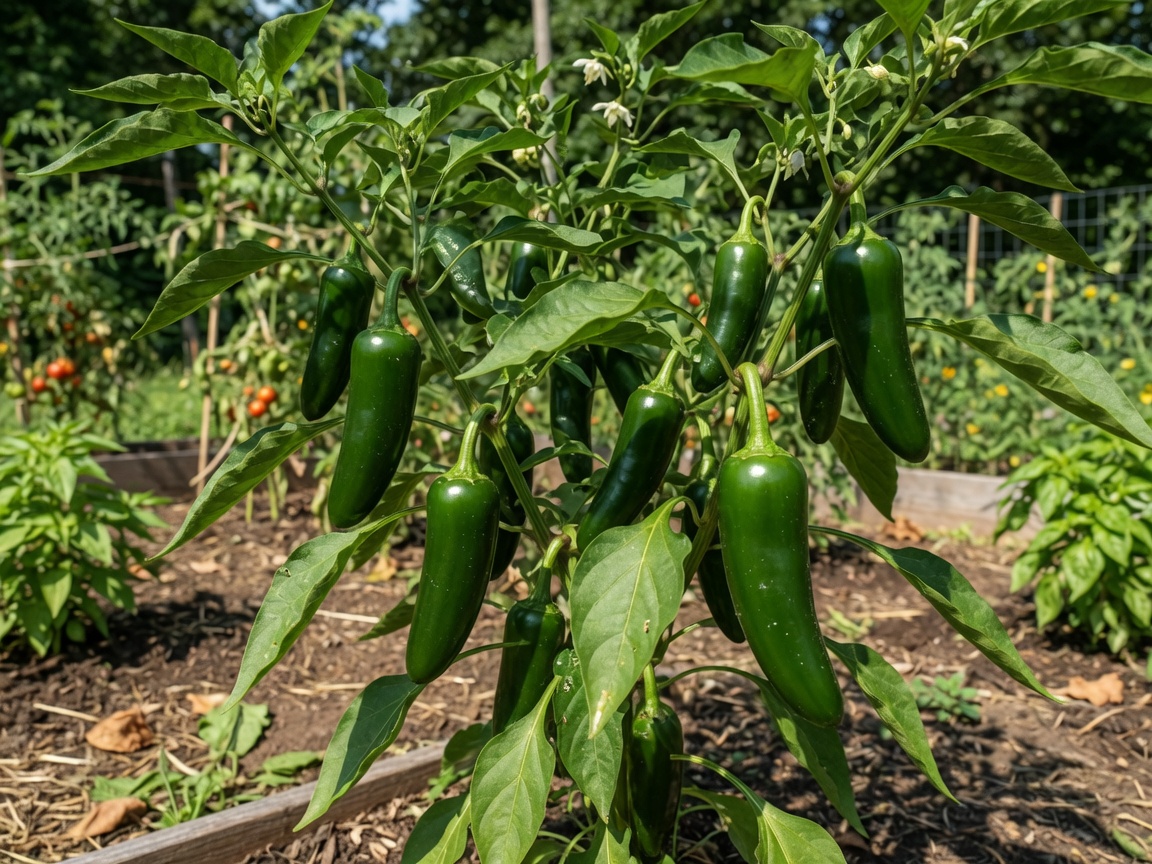
Jalapeño peppers on a plant
Full sun Even water Basin MVP

Jalapeños

Built for heat. Still not built for “I forgot to water during a 102°F stretch.” Don’t test them.

Grow jalapeños →
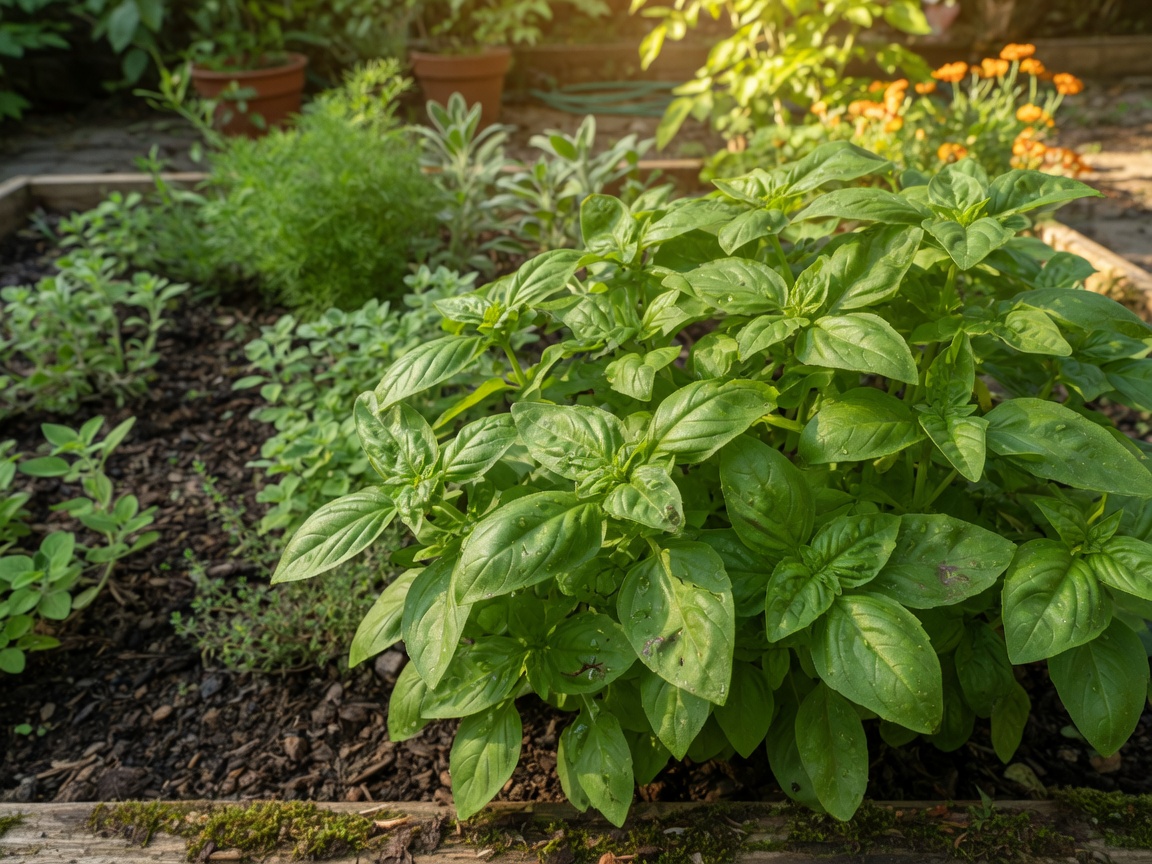
Lush basil plant in a garden bed
Full sun Keep moist Frost wimp

Basil

Pinch it or it bolts. Water it or it wilts. Let it freeze once and you get a sad brown memorial.

Grow basil →
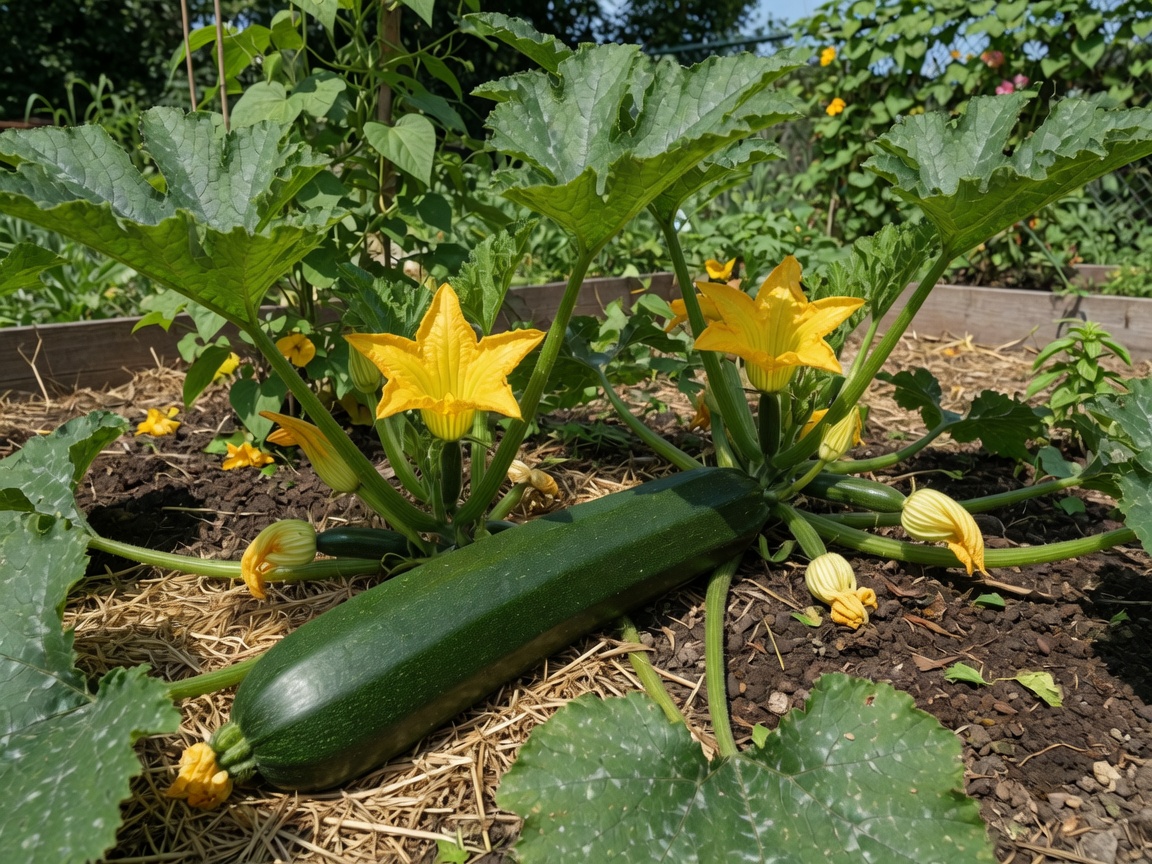
Zucchini plant with fruit and yellow blossoms
Full sun Deep drinks Prolific

Zucchini

One plant is a relationship. Two plants is a hostage situation. Water deep; harvest before they become baseball bats.

Grow zucchini →
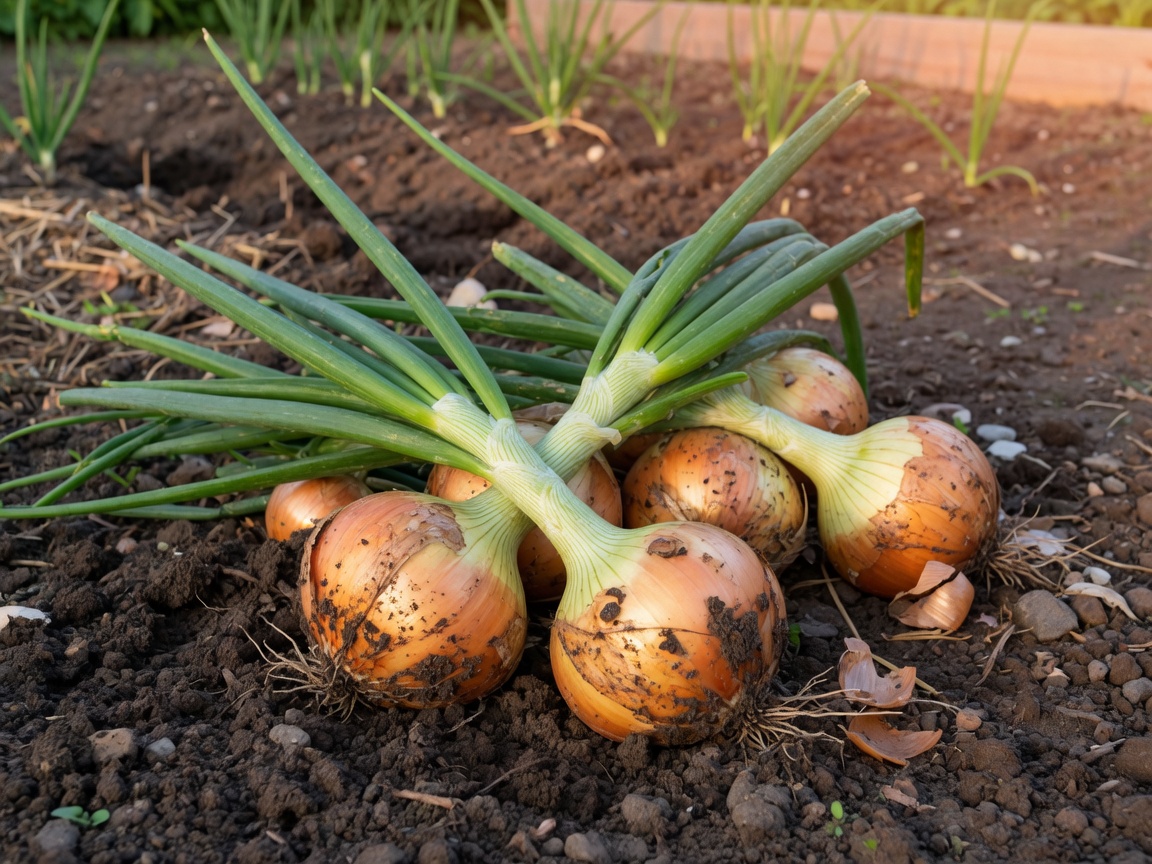
Freshly harvested yellow onions with green tops
Full sun Even moisture Day-length picky

Onions

Buy the right day-length type or enjoy tiny sad bulbs. Long-day varieties for the Basin. Yes, that matters.

Grow onions →

Local rules you will ignore (then regret)

The short list

  1. Water deep, not daily sprinkles. Shallow watering grows shallow roots. Shallow roots die in July.
  2. Mulch like you mean it. 2–3 inches of organic mulch. Bare soil in August is a crime scene.
  3. Test or amend soil. Basin soils often run alkaline and low in organic matter. Compost + sulfur (if needed) beat guessing.
  4. Plant warm crops after soil warms. Peppers and basil in 50°F soil is how you grow expensive sticks.
  5. Wind is real. Stake tall crops. Protect seedlings. Your “microclimate” is often just a wind tunnel with a fence.
  6. Drip > overhead for most beds. Less disease, less evaporation, fewer weeds between rows. Overhead is fine for corn establishment—then switch to sense.

Need the cheat sheets? Watering & fertilizer quick reference · Month-by-month calendar